
Seoul Metropolitan Subway Guide for Foreign Travelers: How to Use It Without Stress
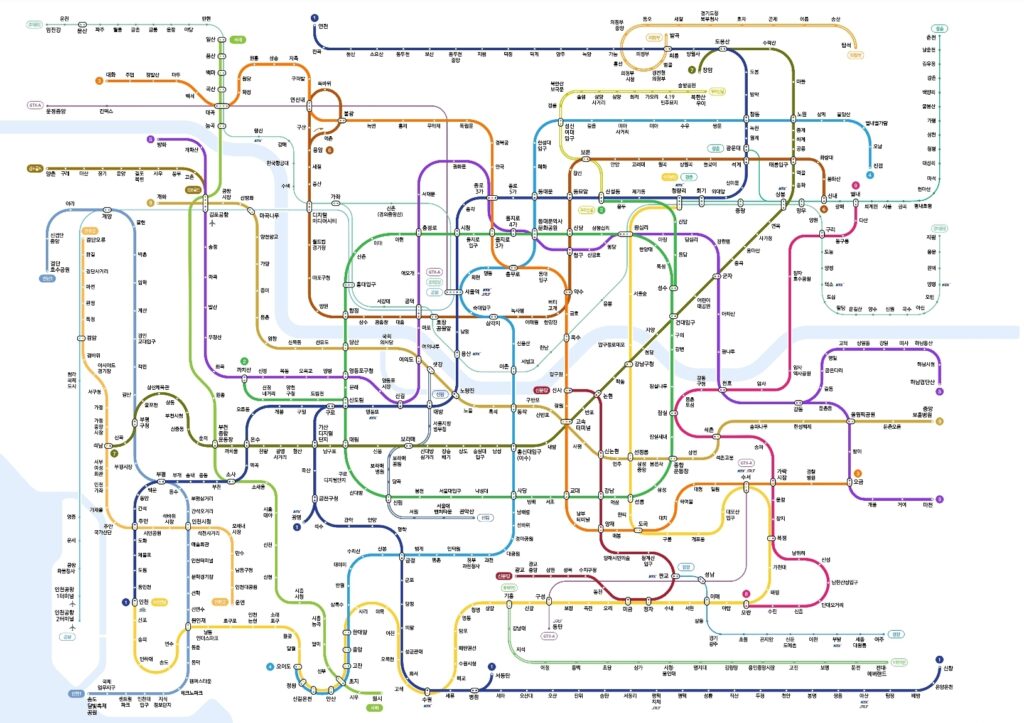
The first time you see the Seoul subway map, it looks overwhelming. Too many lines, too many stations, and a maze of connections.
But here’s the truth most travelers discover quickly — it’s actually one of the easiest subway systems in the world once you understand how it works.
Why the Seoul Subway is the Best Way to Travel
The subway in Seoul is fast, clean, affordable, and extremely reliable. It connects almost every major tourist destination, shopping district, and local neighborhood.
For travelers, this means one thing: freedom.
You don’t need to rely on taxis. You don’t need to worry about traffic. You can explore the city at your own pace.
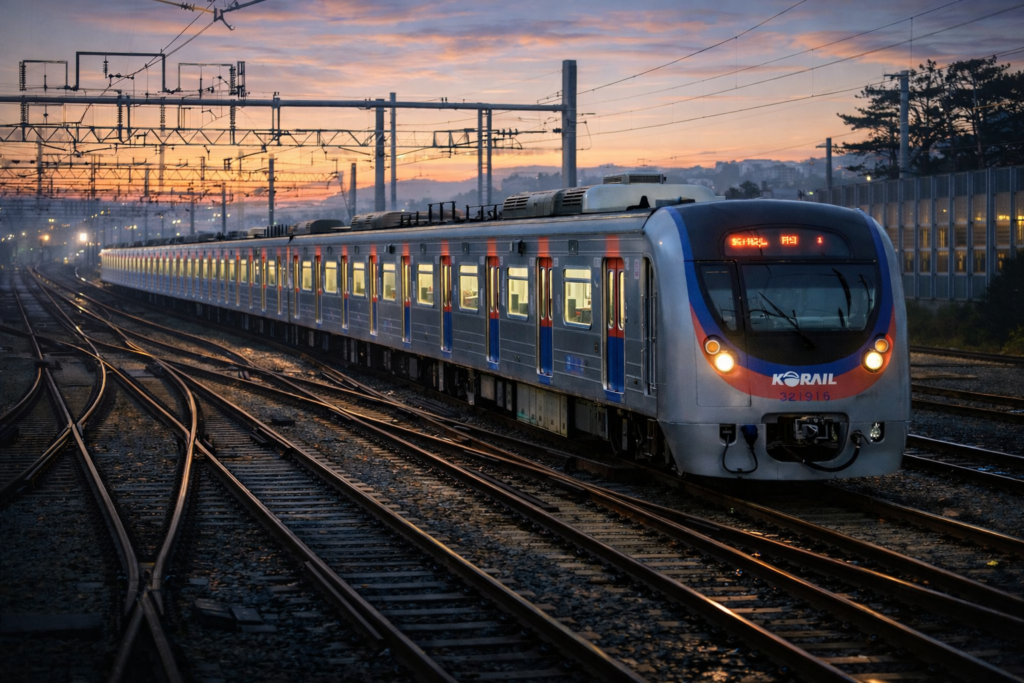
Understanding the Seoul Metropolitan Subway System
The Seoul subway is not just Seoul.
It covers Seoul, Incheon, and Gyeonggi-do. That’s why the map looks big — because it is a metropolitan network, not just a city system.
Each line has:
- A number (Line 1, Line 2…)
- A color
- English + Korean station names
Key lines include:
- Line 2 (Green): Central Seoul loop
- Line 4: Myeongdong(명동), Seoul Station(서울역)
- AREX (공항철도): Airport connection
👉 핵심: You don’t need to understand everything. Just your route.
How to Use the Subway (Step-by-Step)
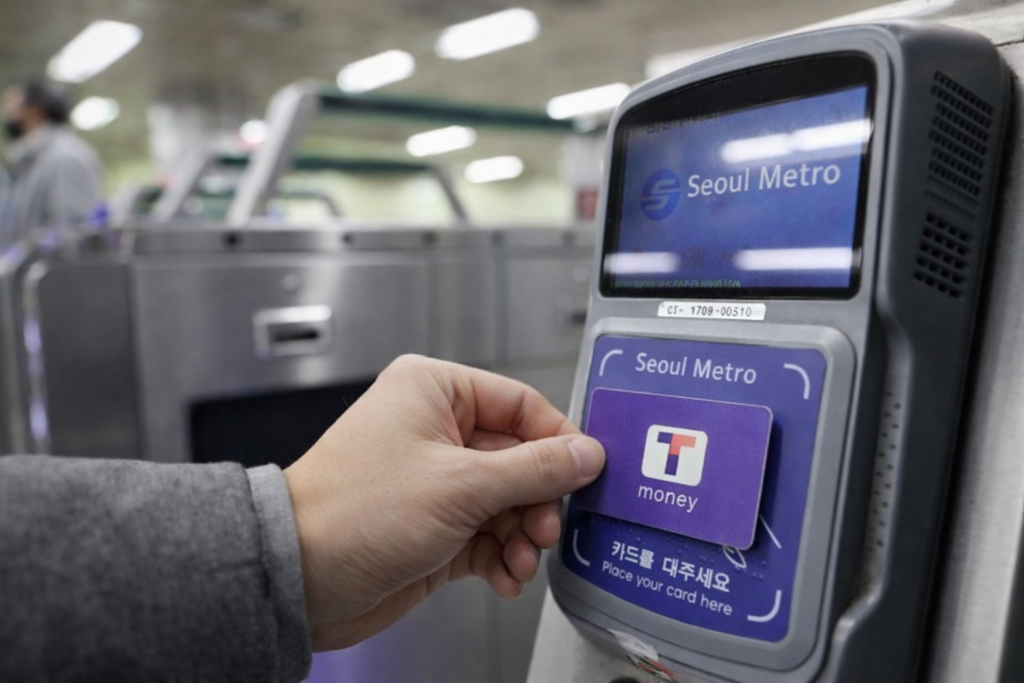
1. Get a T-money Card (티머니)
Buy it at a convenience store or station.
2. Charge the Card
Add money before entering.
3. Tap In
At the gate, tap your card.
4. Tap Out
You MUST tap out at the exit.
👉 This is critical for correct fare and transfers.
5. Follow Direction Signs
Always check:
- Line number
- Direction (final station name)
👉 Most common mistake: taking the wrong direction
How to Read Subway Lines and Maps
This is where everything becomes easy.
Step 1: Follow the Color
Each line has a unique color.
Step 2: Check Line Number
Match Line 2, Line 3, etc.
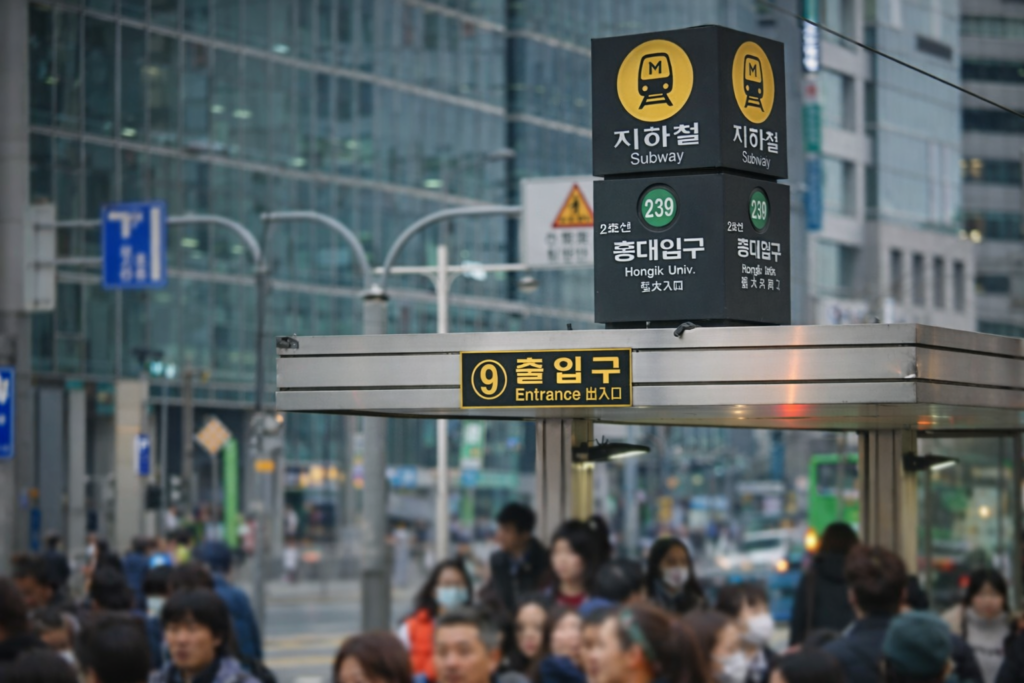
Step 3: Use Station Codes
Even if you can’t read Korean, numbers help.
Step 4: Check Exit Numbers
Exits matter more than you think.
👉 Wrong exit = long walk
How Transfers Work in Seoul (Important)
This is the most important part.
Basic Rule
Transfers work when:
- You tap out properly
- You move within the time limit
Time Limit
- 30 minutes normally
- 1 hour at night (9 PM ~ 7 AM)
Transfer Limit
Up to 4 transfers
Critical Rule
👉 No tap-out = no transfer benefit
Real Travel Examples
- Subway → Bus
Still counts as one journey - Bus → Subway
Also counts if within time - Long break (coffee, shopping)
❌ Not a transfer anymore
Easy Way to Remember
- Always tap in/out
- Don’t wait too long
- Use a transit card
👉 That’s it. No need to overthink.
Best Apps for Subway Navigation
Use:
- Naver Map(네이버지도)
- KakaoMap(카카오맵)
Avoid relying only on Google Maps.
👉 Local apps are more accurate in Korea
Key Stations You Should Know
Seoul Station(서울역)
Main hub for trains and airport access
Hongdae Station(홍대입구)
Youth area, nightlife, easy airport access
Myeongdong Station(명동)
Shopping and street food
Gangnam Station(강남)
Modern Seoul, business and shopping
Yongsan Station(용산역)
Major rail hub + shopping complex + intercity connection
👉 Important for traveling outside Seoul
Subway Etiquette in Korea
- Line up properly
- Let people exit first
- Avoid loud phone calls
- Respect priority seats
Tips That Will Save Your Trip
- Check last train time
- Always check exit number
- Avoid rush hour
- Don’t panic if you make a mistake
Final Thoughts
Seoul subway looks complex, but it’s actually simple.
Once you understand:
- Lines
- Directions
- Transfers
👉 You’re ready.
And when that happens, your trip becomes much easier.
Travel Korea, made simple. Your frist friend in Korea.